Trump 50 percent tariffs iran weapons, Escalating Global Trade and Security Tensions
US President Donald Trump announced a 50% tariff on countries supplying weapons to Iran, escalating geopolitical tensions and signaling Washington’s tougher stance on global security and international arms support.
April 8, 2026 | 8:23 PM IST
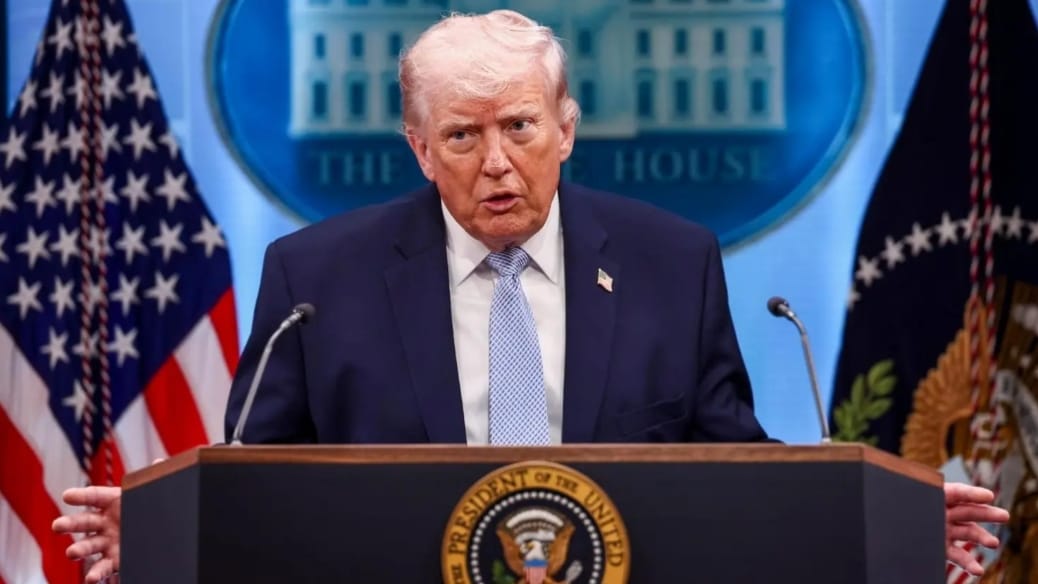
Image of US-PERSIDENT-Donald Trump
In a dramatic policy announcement that could reshape global trade and security dynamics, U.S. President Donald Trump declared that any nation supplying military weapons to Iran will face an immediate 50 percent tariff from the United States, without exceptions or waivers.
The statement, delivered through Trump’s social media account on Wednesday, signaled a hardline approach toward Iran and its potential military partners. The announcement instantly triggered debates among policymakers, analysts, and global trade observers about its geopolitical implications.
According to Trump, the new tariff measure is intended to deter countries from supporting Iran’s military capabilities. The U.S. administration believes that restricting economic access to American markets could discourage arms transfers and limit Iran’s ability to expand its defense infrastructure.
The move comes amid growing concerns in Washington about Iran’s regional influence and military activities. U.S. officials argue that advanced weapons supplied by foreign nations could strengthen Iran’s strategic position in the Middle East and potentially destabilize already fragile regional security dynamics.
Economic experts warn that imposing such steep tariffs could have wide-ranging effects on international trade relationships. Countries with defense ties to Iran may face difficult decisions between maintaining those partnerships or protecting their economic access to the massive U.S. consumer market.
Global markets reacted cautiously after the announcement, with analysts predicting that the policy could trigger retaliatory trade measures or diplomatic tensions. The decision may also complicate ongoing negotiations between major powers attempting to stabilize geopolitical rivalries across several regions.
Diplomats and foreign policy experts believe the announcement reflects Washington’s broader strategy of using economic pressure to influence international security behavior. Tariffs have increasingly become tools not only of trade policy but also of geopolitical signaling and strategic deterrence.
Critics argue that unilateral tariff threats could strain relations with allies if their defense industries are affected. Some experts also question how the United States will verify which countries are supplying military equipment to Iran and how enforcement mechanisms would work.
Supporters of the policy, however, say strong economic penalties are necessary to counter what they view as Iran’s expanding military influence. They argue that decisive action sends a clear message that supporting Tehran’s military programs could carry significant financial consequences.
As global leaders assess the potential impact of this policy, the announcement has already intensified debates about economic warfare, strategic alliances, and the future of international security cooperation in an increasingly tense geopolitical environment.
-
 US-Iran Agree to Conditional Two-Week Ceasefire as Strait of Hormuz Reopens, Easing Global Tensions08 Apr 2026
 -
 Trump 50 percent tariffs iran weapons, Escalating Global Trade and Security Tensions08 Apr 2026
 -
 Oil Surges Past $100 as Markets Brace for Global Recession04 Apr 2026
 -
 Technology Race Between Global Powers Accelerates03 Apr 2026
 -
 Defense Budgets Rise Worldwide Amid Security Concerns03 Apr 2026