US-Iran Agree to Conditional Two-Week Ceasefire as Strait of Hormuz Reopens, Easing Global Tensions
The United States and Iran agree to a conditional two-week ceasefire, reopening the Strait of Hormuz and easing global tensions, offering temporary relief to energy markets while diplomatic negotiations continue.
April 08, 2026 | 09:30 PM IST
US-Iran Agree to Conditional Two-Week Ceasefire
After weeks of rising tensions and fears of a wider Middle East conflict, the United States and Iran have agreed to a conditional two-week ceasefire that temporarily halts military operations and allows the reopening of the strategic Strait of Hormuz. The announcement came after intense diplomatic efforts and last-minute negotiations aimed at preventing a major escalation that could have destabilized global energy markets and international security.
The ceasefire deal was announced after the United States signaled it would suspend planned attacks on Iran if Tehran ensured the complete and safe reopening of the Strait of Hormuz, one of the world’s most critical shipping lanes for oil and energy supplies. Iran responded by saying it would allow safe maritime passage through the strait for two weeks, provided that attacks against the country are halted during that period.
This temporary truce has been described as a “double-sided ceasefire,” meaning both countries will pause offensive and defensive military actions while negotiations continue toward a broader peace agreement. Officials from both sides have suggested that many key points of contention have already been addressed and that the two-week window will be used to finalize a long-term diplomatic framework.
The Strait of Hormuz sits at the heart of the global energy supply chain, with roughly a fifth of the world’s oil shipments passing through the narrow waterway every day. Any disruption to shipping in the strait has immediate consequences for global oil prices, shipping costs, and economic stability. When tensions between the US and Iran escalated earlier this year, several shipping companies reduced operations in the region, causing concerns across international markets.
The ceasefire has therefore been welcomed by governments and financial markets around the world. European leaders described the development as a crucial step away from the brink of war and emphasized that diplomatic engagement must continue to prevent another escalation in the Middle East. At the same time, experts warn that the agreement remains fragile and that long-term stability will depend on whether negotiations during the two-week period lead to a comprehensive peace arrangement.
Despite the optimistic tone surrounding the announcement, analysts remain cautious about the real impact of the ceasefire. Some shipping companies have indicated that they will continue to monitor the security situation before fully resuming operations through the Strait of Hormuz, as the region still faces geopolitical risks and uncertainty. The temporary nature of the agreement means that even a small incident could quickly escalate tensions again.
For now, however, the ceasefire has provided a rare moment of relief in a region that has been on edge for weeks. If negotiations succeed during this brief pause, the agreement could open the door to a broader peace deal that stabilizes the Middle East and secures one of the world’s most vital energy routes. The coming days will be critical in determining whether this temporary truce becomes the foundation for lasting diplomacy or simply a short break in an ongoing geopolitical rivalry.
-
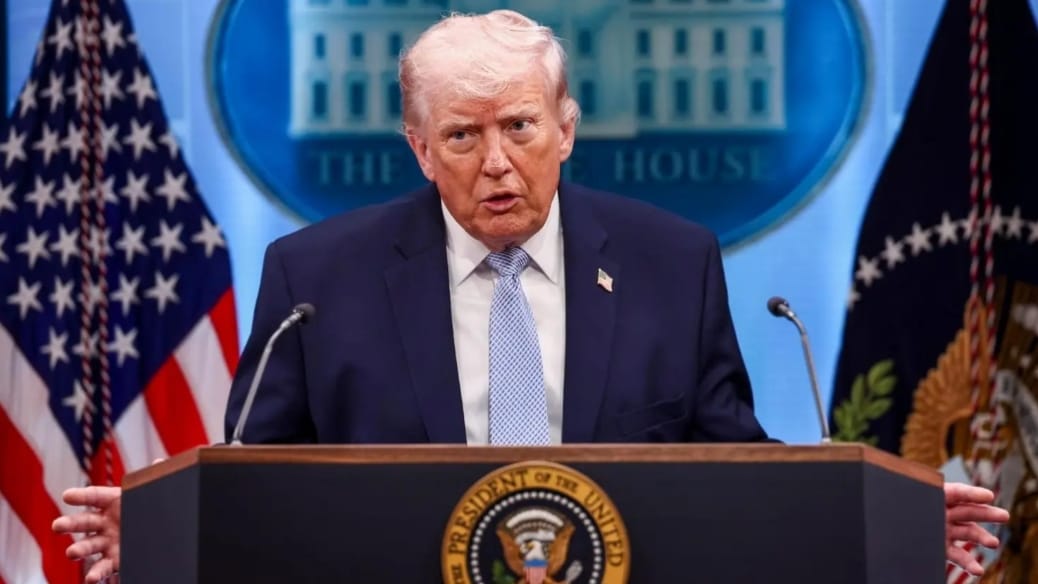 US-Iran Agree to Conditional Two-Week Ceasefire as Strait of Hormuz Reopens, Easing Global Tensions08 Apr 2026
 -
 Trump 50 percent tariffs iran weapons, Escalating Global Trade and Security Tensions08 Apr 2026
 -
 Oil Surges Past $100 as Markets Brace for Global Recession04 Apr 2026
 -
 Technology Race Between Global Powers Accelerates03 Apr 2026
 -
 Defense Budgets Rise Worldwide Amid Security Concerns03 Apr 2026